Back-to-school is the first big test of the second half of the year - a compressed buying window where parents, students, and teachers work through real shopping lists. For catalog advertisers it's also the friendliest seasonal moment there is: demand arrives with clear categories attached, and the products are already in your feed.
The difference between stores that convert the season and stores that watch it pass is rarely budget. It's whether the catalog was organized and dressed for the moment before the moment started. This playbook covers exactly that, in the order you'd do it.
Why back-to-school suits catalog ads
Seasonal campaigns usually force a choice: produce dedicated creative for a short window, or run your evergreen ads through it and blend in. Catalog advertising removes the tradeoff when three pieces are in place:
The products already exist in your feed - backpacks, stationery, kidswear, laptops, dorm gear, lunch boxes. Back-to-school is a regrouping of your catalog, not a new inventory problem.
Templates make the seasonal dressing reusable - a back-to-school background and badge applied across a collection, rather than per-image edits. Next year, the same system runs again.
Buyers shop lists, not products - which is exactly what carousels and collection-style catalog ads present: many relevant items, each with a price, in one unit.
If your store touches apparel, supplies, tech, home organization, or anything a student carries, wears, or fills a room with, the season applies to you - the framing just changes (first-day outfits vs dorm essentials vs teacher supplies).
Step 1: Build the back-to-school collections (late July)
Start with grouping, because everything else - campaigns, creative, budget - attaches to it. Practical groupings that map to how people actually shop the season:
By shopper: kids' essentials, teen picks, college and dorm, teachers' corner
By list: school supplies, first-day outfits, sports and PE, tech for school, lunch and snacks
By price role: value bundles for list-shoppers, premium picks for one-big-item buyers
Keep the groups honest - a "back-to-school" label on products nobody buys in August dilutes the ads built on it. A seasonal label maintained by a feed rule (category-driven, not hand-tagged) keeps membership current as stock moves, and the same label powers product sets on Meta and product groups elsewhere.
In Flow, this is what collections are for: group once, and both the campaign targeting and the creative treatment follow the collection.
Step 2: Dress the catalog (first days of August)
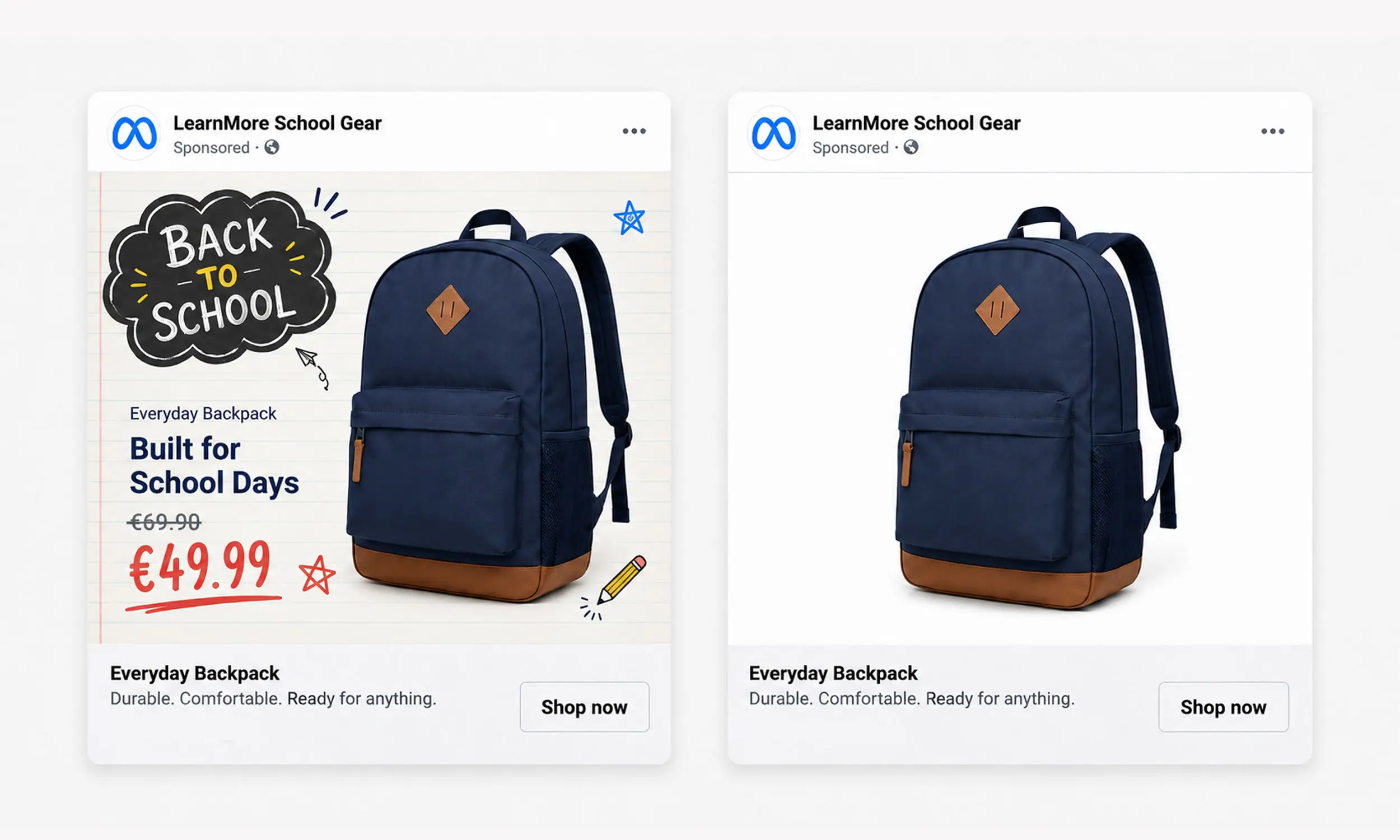
This is where most stores stop short - the campaign points at the right products, but the creative is the same white-background default as February. The season should be visible in the ad itself:
A seasonal background - notebook paper, chalkboard, locker tones - behind the product cutout
A "Back to school" badge or ribbon, applied by the collection, removed when the season ends
Price and any bundle offer rendered clearly - list-shoppers compare
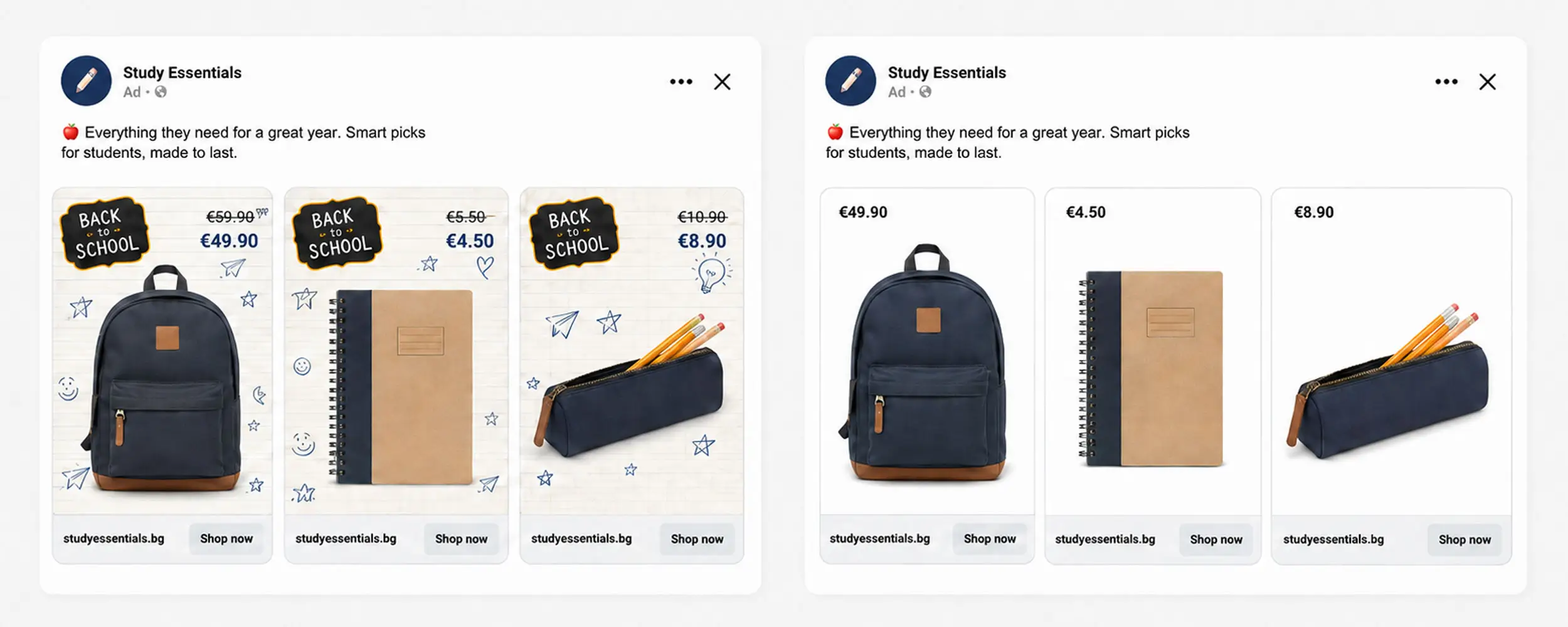
The same treatment across every product in the collection, so carousels read as a campaign rather than a coincidence
The mechanics are the standard template approach: design the treatment once, apply it to the collection, and every product renders seasonally - website images untouched, and the whole thing reversible in one switch when September ends. That's the difference between "seasonal creative" as a design sprint and as a configuration change.
Step 3: Launch in waves (August)
A simple three-wave structure matches how the season actually flows:
Early August - list-starters. Broad catalog campaigns on the back-to-school collections; carousels lead with bestsellers. Parents building lists, comparing prices.
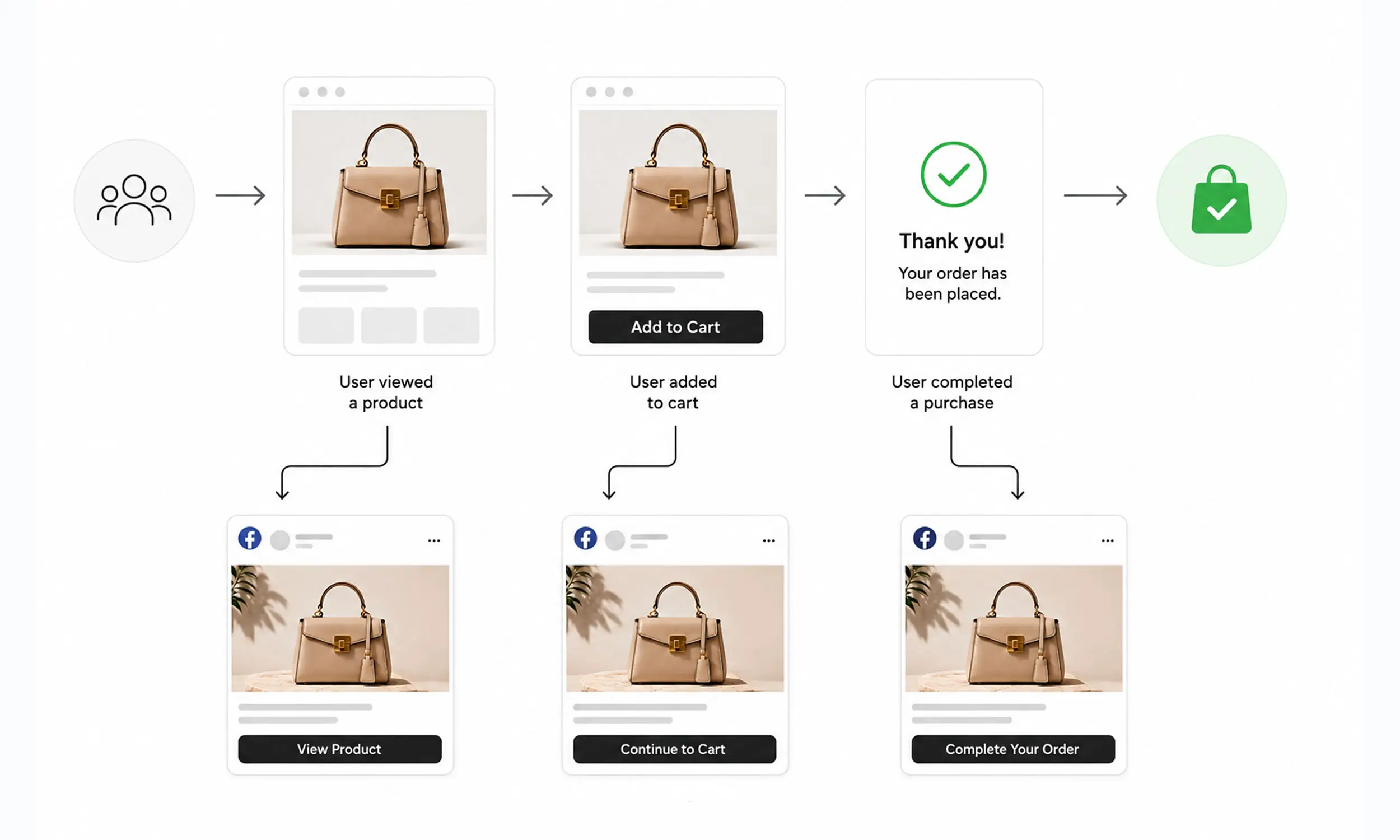
Mid-August - deciders. Retargeting picks up weight: viewers and cart-adders see the exact products they considered, now with the seasonal treatment. Pair with any promotion via
sale_priceso the strikethrough render does the announcing.Late August / early September - last-minute and college. Shift emphasis to what ships fast and what dorm-movers need; this wave overlaps the start of your Q4 preparation, so treat it as the dress rehearsal for November's pace.
Regional note: school start dates spread across August and September depending on country and region - stagger the waves to your actual markets rather than the US default.
Step 4: Read the results while they're useful
Back-to-school is short. Check signals mid-season, not after:
Which collections earn clicks - reallocate budget between kids/teen/college groups rather than treating "back to school" as one unit
Frequency on retargeting - a compressed season concentrates impressions; rotate the template variant if fatigue signals appear rather than pausing
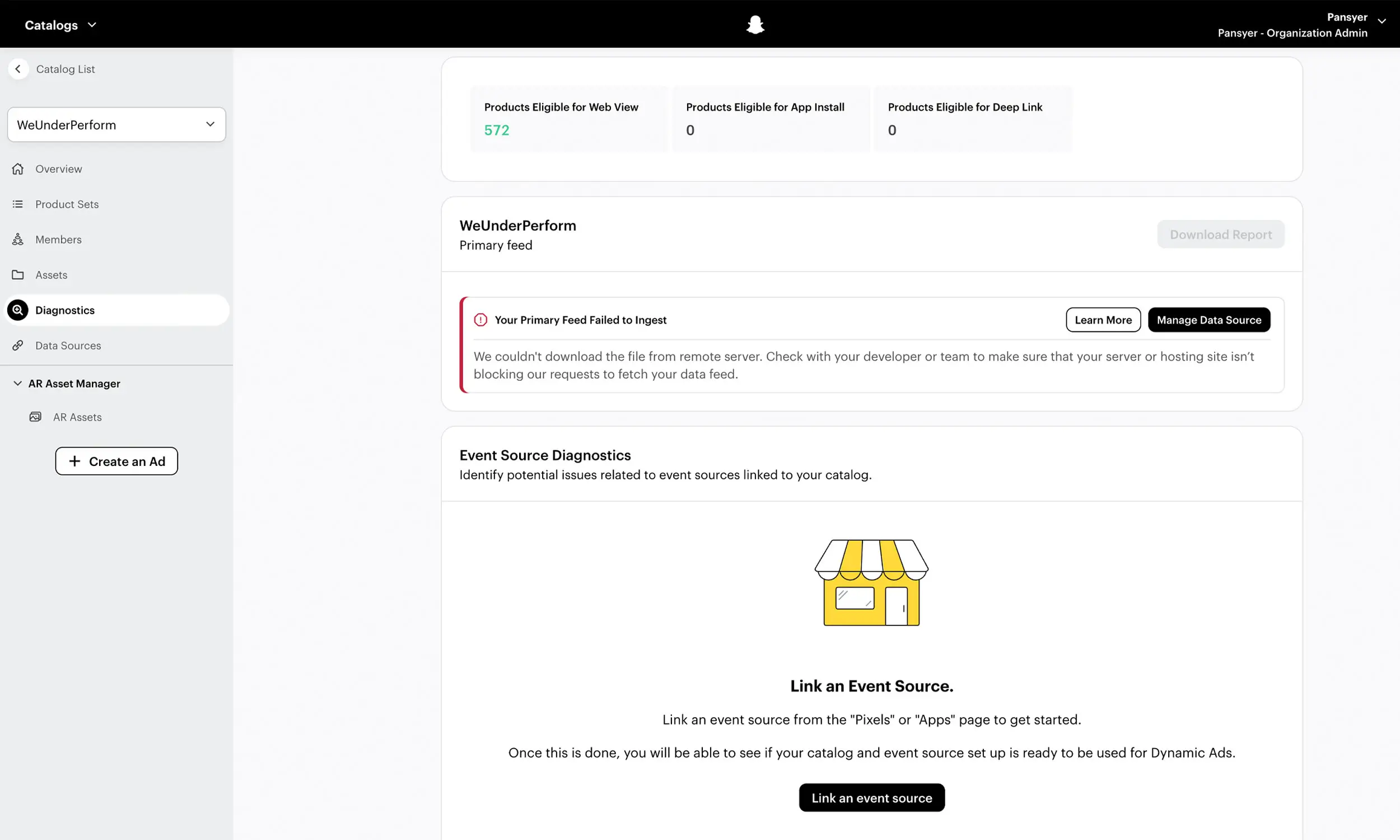
Availability sync - selling out is the season's good problem; make sure the feed flips products fast so ads stop promoting them (sync discipline matters double in seasonal peaks)
Whatever you learn - which groupings worked, which treatment converted, how fast creative rotation was needed - is a direct rehearsal note for Q4, at lower stakes.
One collection, one template, a reusable season
The whole playbook compresses into Flow's model: build the back-to-school collections once, apply a seasonal template from the creative studio across them, and launch - product data, prices, and availability stay synchronized underneath, and when the season ends, the collections switch back to evergreen treatment without touching a single image. The same system then runs the holiday season with different backgrounds.
FAQ
When should back-to-school ads start?
Collections and creative ready by late July, first wave live in early August, with timing adjusted to when schools actually start in your markets. The mid-August retargeting wave is where compressed intent concentrates.
Do I need special products for back-to-school campaigns?
Usually not - the season is a regrouping of existing catalog products (apparel, supplies, tech, home) into list-shaped collections, plus seasonal creative treatment.
How do I make catalog ads look seasonal without editing every image?
Template-based rendering: a seasonal background and badge designed once and applied across a collection, with the original product photos untouched underneath.
Should back-to-school products go on sale?
If you run a promotion, put it in the feed's sale_price fields so the discount renders as a strikethrough in the creative and ends cleanly with the season - don't edit base prices.
What happens to the campaigns in September?
Collections switch back to evergreen templates, seasonal badges disappear catalog-wide, and the learnings (groupings, rotation cadence, winning treatments) roll into Q4 preparation.
Final thoughts
Back-to-school rewards preparation more than spend: the right collections, dressed for the season, launched in waves that follow the buyer's calendar. With a catalog and a template system, that preparation is measured in hours - and everything you set up runs again next August with a background swap.
Treat it as the rehearsal it is. The store that handles back-to-school smoothly has already done a small Q4.


Join The Newsletter
Stay ahead in catalog advertising
Get practical guides, product updates, new templates, and best practices for Dynamic Product Ads, creative automation, and ecommerce marketing.
On this page
Related articles


Launch catalog ads with ease
Ready to launch better catalog ads?
Turn product catalogs into publishing-ready creatives in minutes.